Pour a Foundation That Holds Up Under Load
Concrete & Foundation Work in Owensboro for driveways, slabs, patios, and structural footings
Kenny's Kustoms Construction pours driveways, garage slabs, patio surfaces, and foundation footings that support both new construction and exterior improvements. You call when you need a stable concrete pad for a workshop, a driveway that does not crack under vehicle weight, or footings for a deck or addition that meet structural load requirements. This work is for homeowners building new spaces, replacing deteriorated concrete, or preparing for construction that requires a solid, level base.
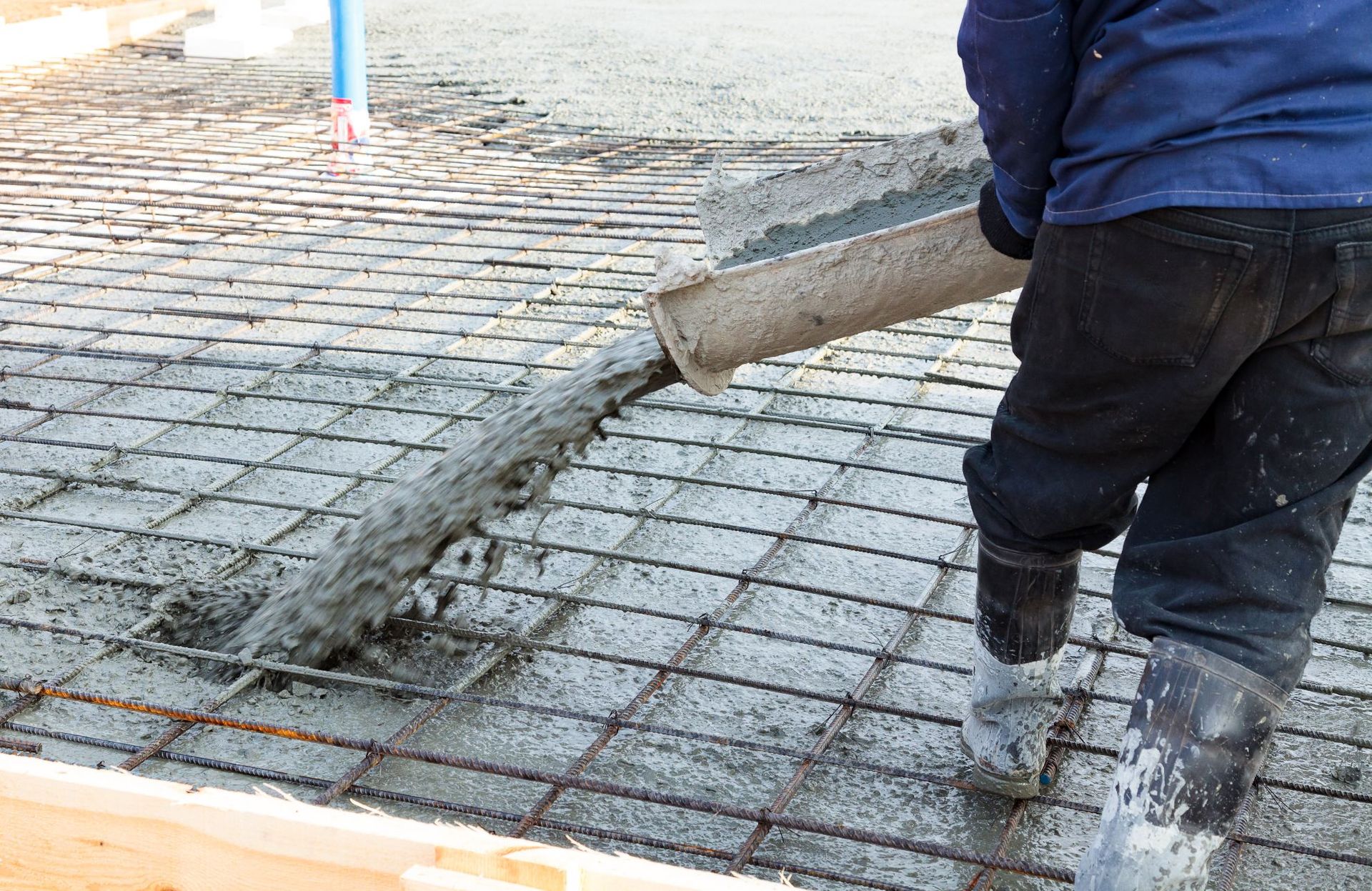
The crew excavates to the required depth, installs compacted gravel base material, and sets forms to the correct elevation and slope. Rebar or wire mesh is placed inside the forms for reinforcement, and the concrete is poured, screeded, and finished with a trowel or broom texture depending on the application. Footings are poured to support the load calculated for the structure above, and slabs are poured thick enough to resist cracking from thermal expansion or settling.
If you are planning a garage, patio, or addition and need concrete work that will not settle or crack within the first few seasons, reach out to discuss foundation and flatwork services that meet structural and grading requirements.
What Happens After the Concrete Cures
Once the concrete has cured for several days, the surface is hard enough to walk on, and after a few weeks it reaches full strength and can support vehicles, framing, or heavy equipment. Kenny's Kustoms Construction pours concrete in sections with control joints to manage cracking, and the surface is sloped to drain water away from buildings and toward the yard or street. Footings are poured level and sized to distribute the load across stable soil without sinking.
After installation, you notice that the driveway does not develop ruts where tires track repeatedly, the patio surface remains level without tilting or settling, and water runs off the slab instead of pooling in low spots. Garage floors stay flat and provide a stable surface for storage shelves and workbenches, and foundation footings hold the structure in place without shifting during freeze-thaw cycles.
Concrete and foundation work does not include decorative stamping, staining, or sealing unless specified in the project scope. The work focuses on pouring durable, structurally sound slabs and footings that perform their intended function. Any finish grading or landscaping around the concrete is handled separately after the pour has cured.
Common Questions About Concrete Work
Homeowners often want to know about curing time, reinforcement methods, and what causes concrete to crack or settle after it has been poured.
What thickness is required for a residential driveway slab?
Driveways are typically poured at least four inches thick, with six inches used in areas where heavy vehicles will park or turn frequently.
How long does concrete need to cure before it can support weight?
Concrete can handle foot traffic after 24 to 48 hours, but full strength develops over 28 days, so heavy loads should be avoided during that period.
When is rebar used instead of wire mesh for reinforcement?
Rebar is used in thicker slabs, footings, and areas with heavy loads, while wire mesh is common in thinner slabs like patios and walkways.
Why do control joints get cut into concrete after it is poured?
Control joints create weak points where the slab can crack in a straight line as it shrinks, preventing random cracking across the surface.
When you need a concrete foundation, driveway, or slab that will support your project and last through years of use, contact Kenny's Kustoms Construction to review the site conditions and schedule a pour that meets structural and finish requirements.